
Discharged, Decoded
Decode your complicated hospital discharge papers
Demo video
What it does
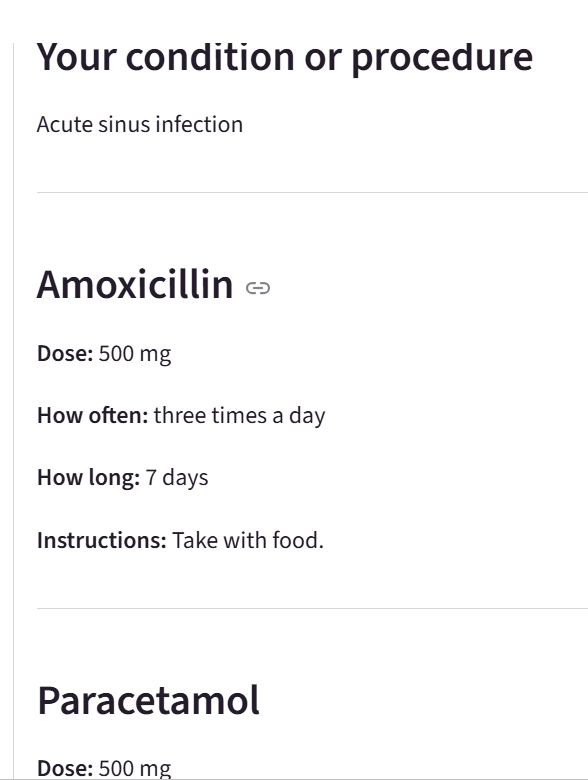
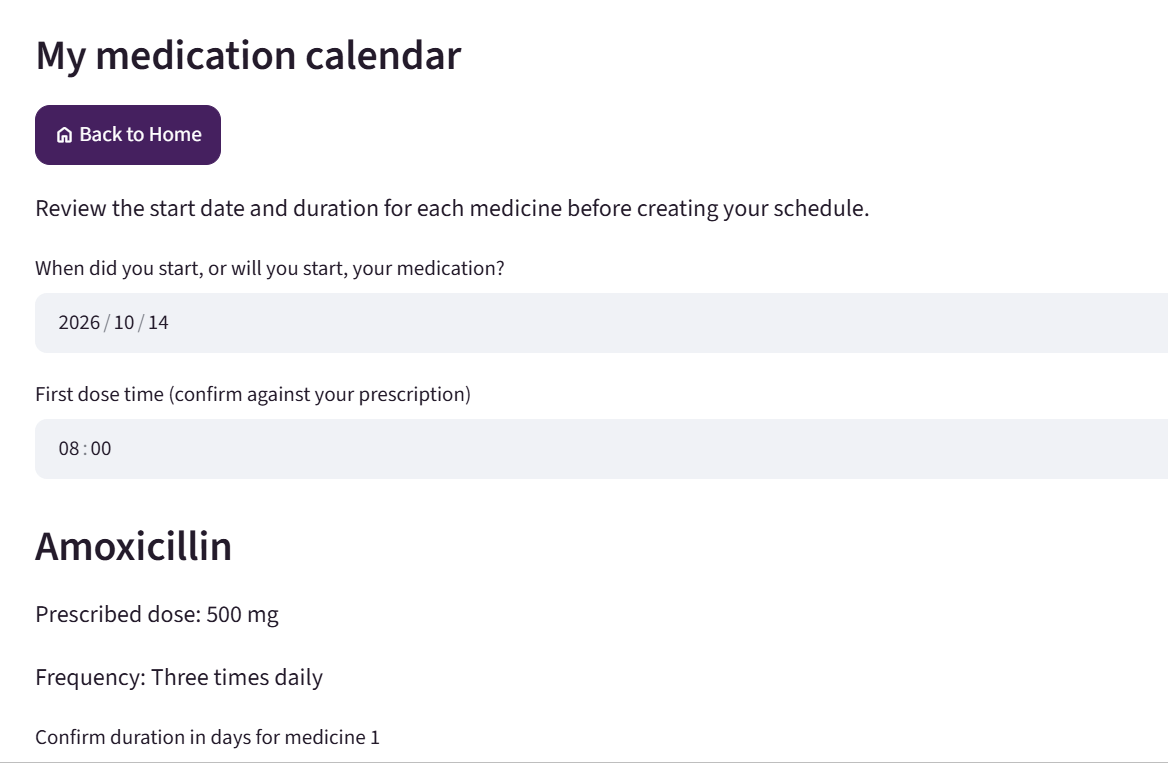
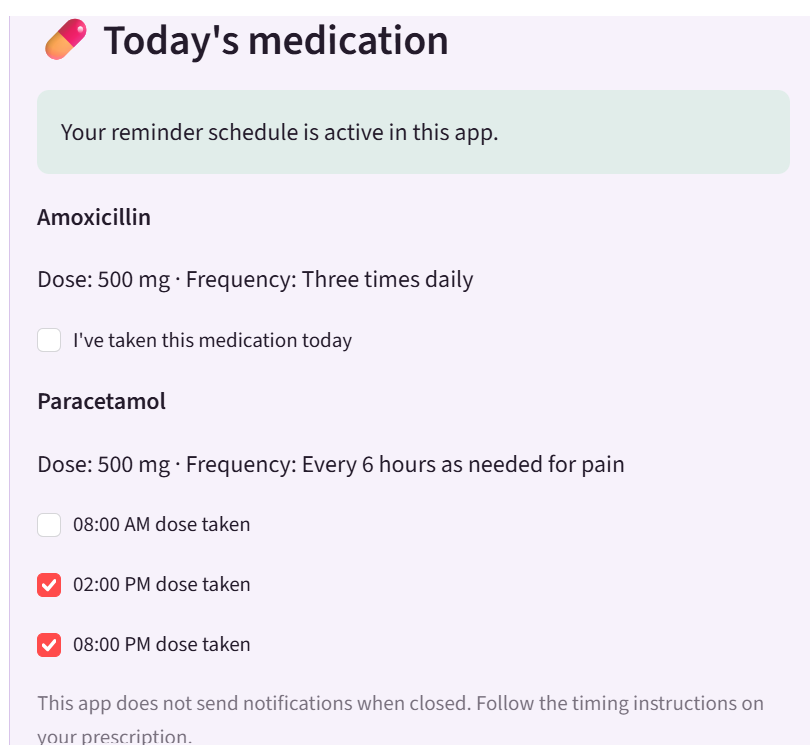
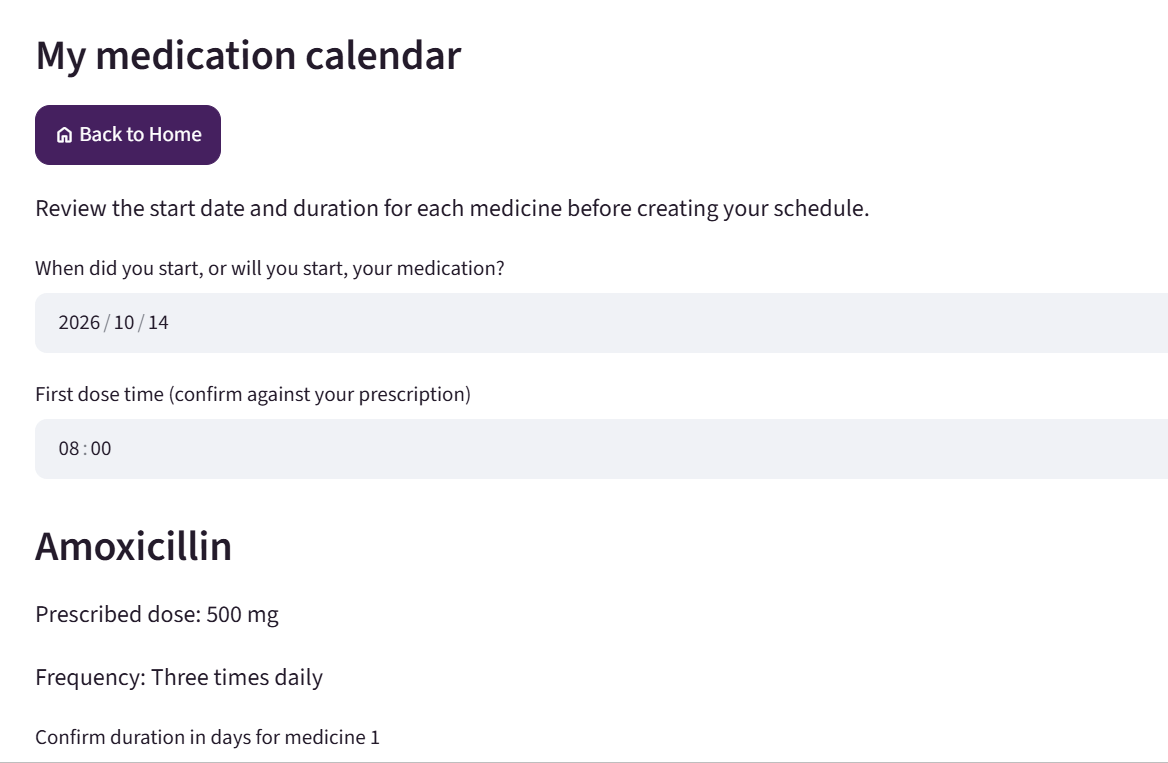
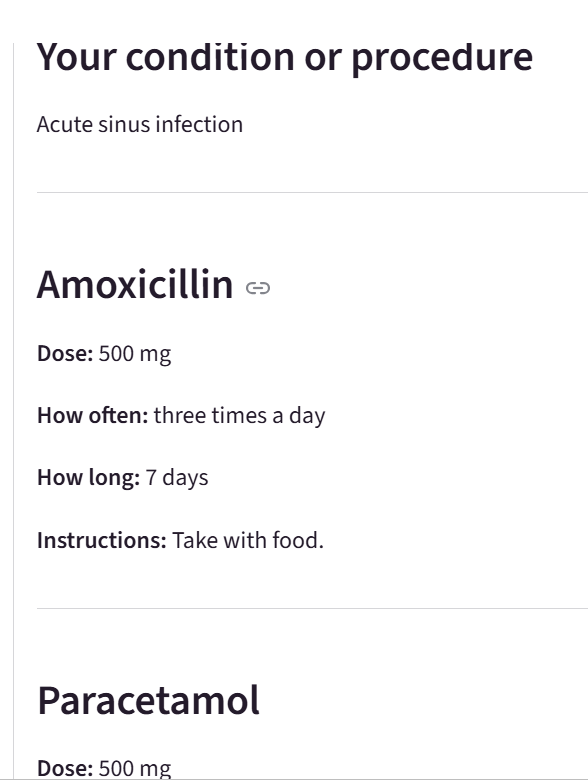
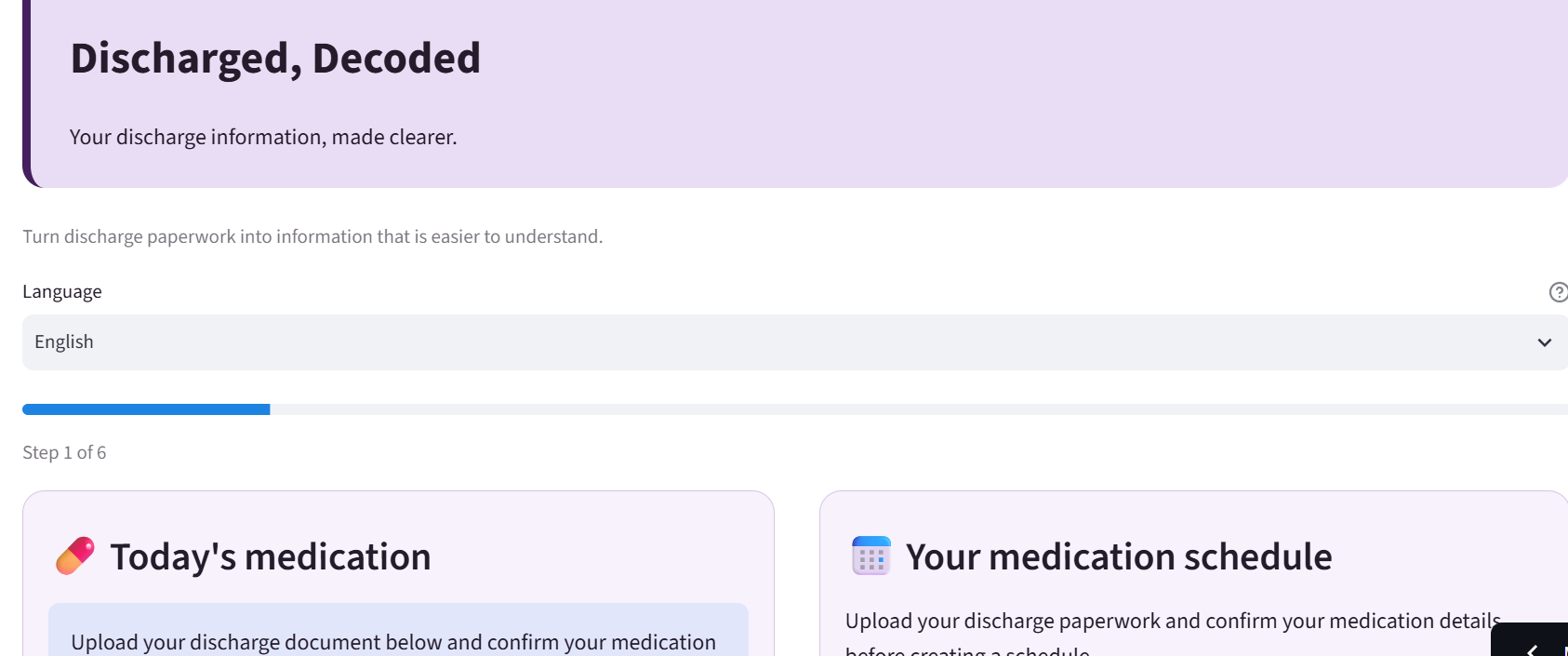
Discharged, Decoded is an AI-powered application designed to help patients better understand their hospital discharge documents after leaving hospital. These documents can contain complicated medical terminology and detailed instructions that may be difficult to understand, especially when patients are recovering at home. Users can upload a photo, PDF or Word document of their discharge paperwork. The application extracts the relevant information using text extraction and Optical Character Recognition (OCR), then allows users to review and confirm the extracted details. The app uses the OpenAI API to help turn complex medical information into clear and precise instructions. Rather than overwhelming users with unnecessary wording, it aims to focus on the essential information they need to know, such as what medication to take, the dosage, when to take it, how long to take it for and any important care instructions. The goal is to make the information easier to follow without losing important medical details or changing the meaning of the original instructions. Additional features include an interactive medication schedule to help users organise medication timings and track doses, links to NHS condition information, and a pharmacy finder to help locate nearby pharmacies. Overall, Discharged, Decoded aims to make hospital discharge instructions less overwhelming and help patients feel more confident managing their care at home. On the medication schedule, if the user clicks mark as taken on that screen, on the home screen, the medication's checkbox is ticked as well. The home screen serves as a summary for care for that day.
Inspiration
Hospital discharge papers are very tricky to decipher, sometimes it's the medical jargon that we don't get or sometimes the wording is clunky and in weird formats. From personal experiences, a way to have all the important information picked out and categorised neatly into what to do each day, would be much easier in an already stressful time. Having the discharge papers written in plain language anyone can understand is helpful, which is what gave us the idea for this app.
How we built it
We built Discharged, Decoded using Python and Streamlit. Our architecture separates document processing, plain-language conversion and additional support features into separate Python files. app.py , manages the user interface and connects the application's features. The main document-processing functionality is in proccessing.py, which extracts texts from PDF, Word documents and images using PyMuPDF, python-docx and OCR with Pytesseract and Pillow. The extracted information is organised into structured data using Python dictionaries and JSON. Our other main file is conversion.py which simplifies complex medical language into plain language using Python and OpenAI API, with a fallback we coded if the API is unavailable. Additional files provide NHS links, pharmacies and medication schedules. Team member 1 created the initial processing.py and started the structure of app.py. As well as starting the first iteration of conversion.py. Team member 2 tested and made the conversion of the extracted information (complicated medical language) into plain language users can understand, to make converion.py. They also worked on the user interface, final testing and additional features like medication timetables and reminders.
Challenges we ran into
Our main challenges was getting the OCR to extract text accurately from images. We had to repeatedly test and improve the OCR and document-processing functionality in processing.py to make sure the information was extracted correctly. We also faced challenges simplifying complex medical language in conversion.py while preserving the meaning of the original instructions. Improving the conversion process often required further changes to processing.py to ensure the extracted information was suitable for conversion. Through repeated testing, debugging and refinement, we improved how these components worked together and made the application more reliable and easier for users to understand.
What's next
Our next step is to develop Discharged, Decoded from a Streamlit web application into a mobile app so it can send medication reminders directly as notifications on a home screen. We also want to improve the OCR functionality so it can extract information more accurately from difficult images, including blurry and badly taken photos. This could involve image enhancement techniques to sharpen text and more advanced OCR technology. These improvements would make the application more reliable and accessible, helping patients use their discharge documents and manage their medication more confidently.
Screenshots
0 comments
Sign in to upvote this project or leave the team a comment.